14th February 2020
Since leaving Antigua, nestled serenely in the warm, calm Caribbean Sea, we have been making steady progress northeast through the cooler, choppier waters of the Atlantic Ocean. With each passing day, the outside temperature has dropped from a fatigue-inducing mid-30s to a far more comfortable mid-20s, at times, even lower. Heading into a stiff wind, the unsheltered outer decks have become quite inhospitable, the chill factor quickly transforming sun-kissed skin into something less appealing.
I quite enjoy the sensation of my hair being wafted vigorously in the breeze, follicles tugged this way and that in an invigorating scalp massage. I’m surprised this feeling isn’t shared by Sue or, for that matter, any of the other women with long hair on board. They seem to shun the open decks, preferring instead to pay extortionate prices in the ship’s spa for an experience that, to me, seems much the same. Makes no sense at all.
Leaning over the bow of the Magellan, hoping to spot flocks of flying fish skittering across the wave tops, is now a thing of the past. The colder Atlantic is home to whales, far less common and much harder to spot. Frustratingly, it wasn’t until our last couple of sea days that both Sue and I finally caught sight of ‘the blow’, a distant plume of white steam against the deep blue sea. It was too far to see more than a fleeting glimpse, but still enough to etch itself into memory. One afternoon, Sue spotted two very large turtles flailing their limbs as they were tossed about in the ship’s wake. I managed to catch sight of them through binoculars, but before I could grab the camera, they had vanished.
As we neared the Azores, pods of common dolphins began appearing, racing to play alongside and beneath the ship’s bow, a very dangerous game, if you ask me. It was during one of these daredevil displays that I finally managed to capture a dolphin mid-flight as it leapt clear of the water. Each evening, I seem to delete hundreds of nearly identical photos of rippled waves, where a dolphin once was! Early one morning, I even spotted a shark lazily swimming alongside, seemingly curious about the vast, noisy metal tin can that had invaded its territory. At just under two metres long, I suppose it decided we were a little too big to sample for breakfast.
More often than not, we arrive in port over breakfast, and Horta was no exception. On deck, the air was decidedly chilly, a breeze ruffling the water. The highlands were shrouded in clouds, as was the volcano on the opposite island of Pico. The Azores, a collection of nine volcanic islands, have a fascinating history. Faial, our island for the day, was settled by the Portuguese in 1465, though it was attacked by the Spanish in 1583. The British influence here was strong in the 18th century, particularly in the introduction of orange production, until disease wiped out the trees in the 19th century. Whaling then took over as the island’s prime industry, a stark reminder of how these isolated communities adapted to the challenges of the sea.
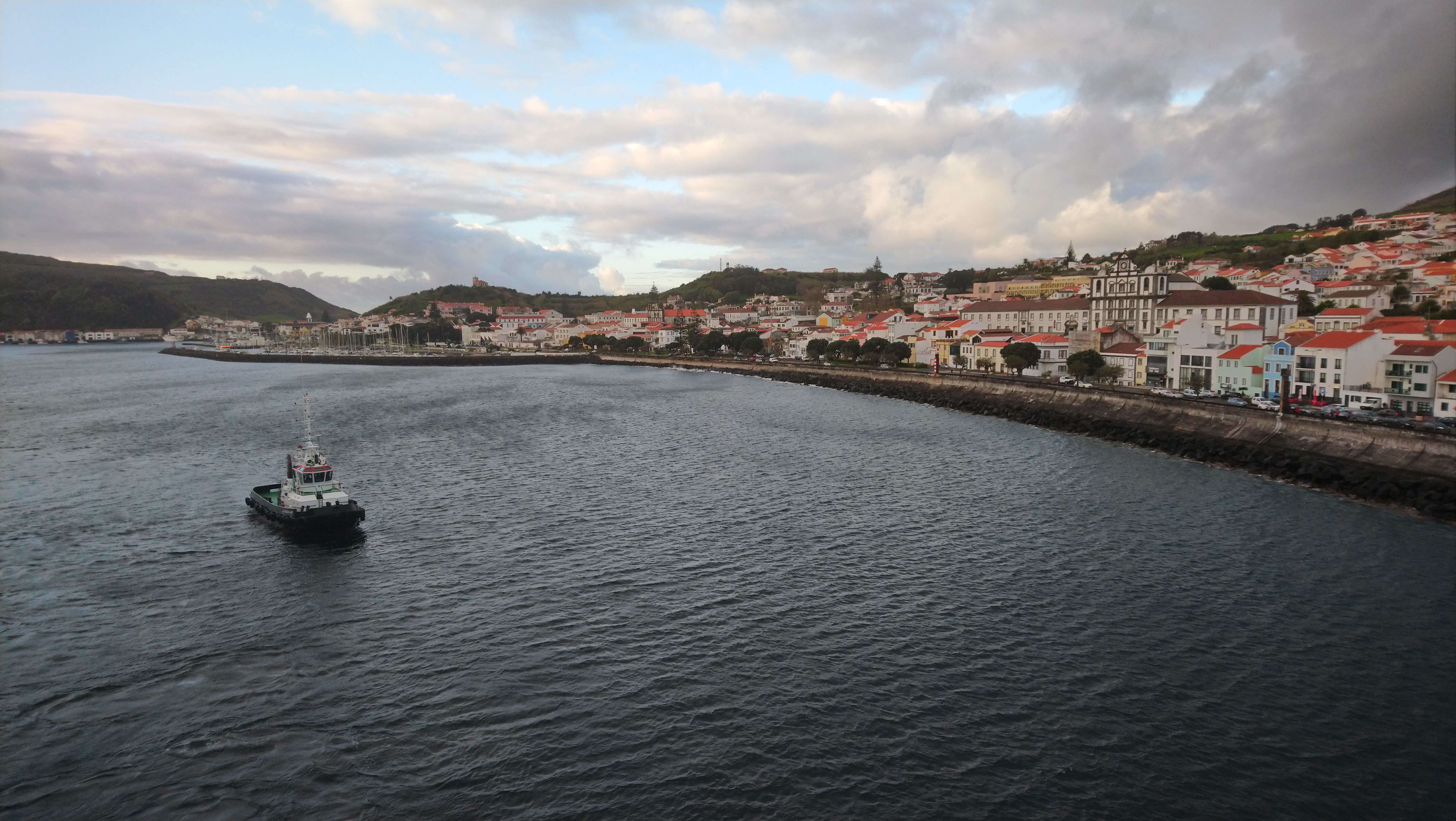
Horta is the island’s only large city, home to approximately 7,000 residents, while the entire island has a population of around 15,000. It’s hard to imagine that, before disaster struck, Faial was once much more densely populated.
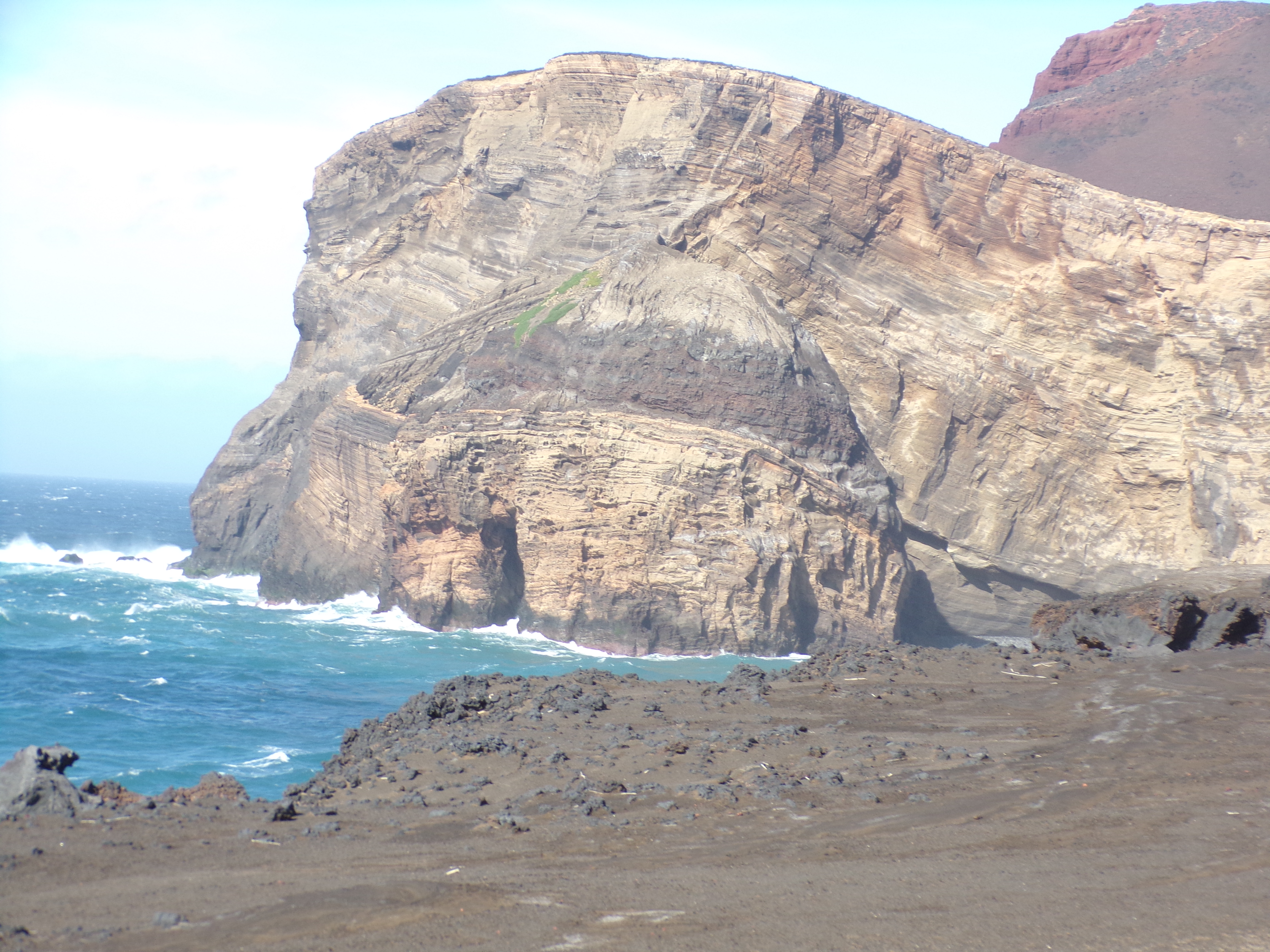
In 1957, the Capelinhos Volcano erupted, destroying many buildings and forcing nearly half of the island’s then 35,000 inhabitants to seek new lives in America and Canada. The landscape still bears the scars of that eruption, and the island continues to experience frequent earthquakes. The most significant in recent history was in 1995, when 600 families lost their homes.
It seems the Azoreans have a remarkable tolerance for living on the edge, both figuratively and quite literally!

Sue and I were fascinated by the island’s volcanic past, so we opted for a trip to see the devastation left by the eruption 60 years ago. We joined a group of around 30 like-minded travellers for a five-and-a-half-mile coastal hike around Capelinhos.
Setting off by coach from the port of Horta, we drove for around 45 minutes to the island’s eastern side. We departed under a thick cloud and a stiff breeze but soon emerged into bright sunshine as we partially circumnavigated the island. We had been concerned that our hike might turn into a slow, stop-start affair, frequently delayed by those who, had they read the trip details, would have known they were in no condition for such an activity. However, we were pleasantly surprised; everyone in our group was more than capable of a bit of strenuous exercise and, I suspect, were regular ramblers like Sue and me.
The drive through the lush Azorean countryside was a delight. Pretty cottages clung to steep inclines while fields of cud-chewing cattle gazed blankly at the passing traffic. Vertical, blackened sea cliffs bore the brunt of the Atlantic rollers, which often broke hundreds of metres offshore over hidden volcanic reefs. Now and then, we passed neatly hedged enclosures where bananas were grown, protected from the relentless Atlantic gales. No oranges now, but something just as tasty!

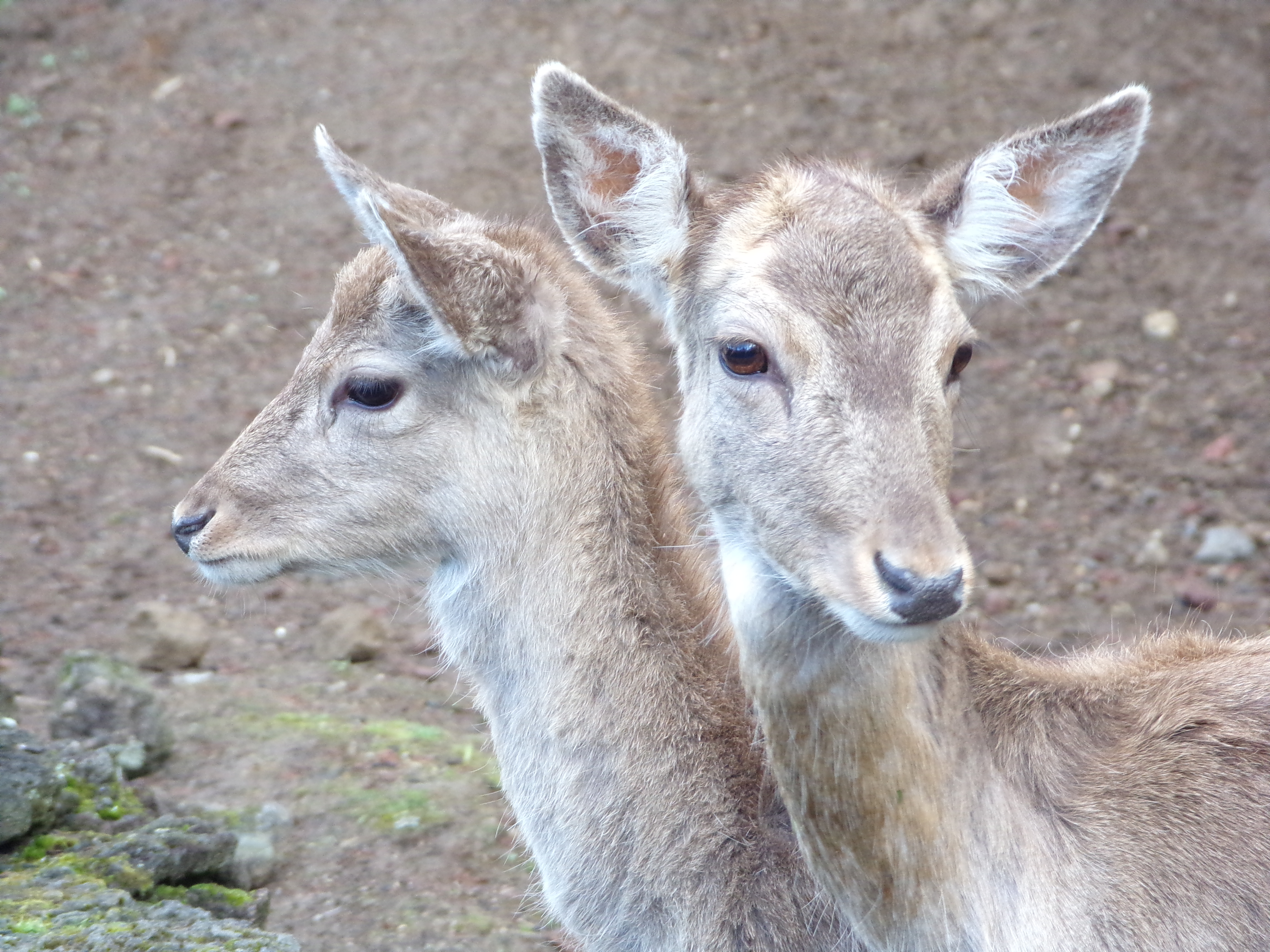
We stopped for around 20 minutes at the beautiful rural park, Parque Florestal do Cabouco. Due to its location and the surrounding geography, it had a unique microclimate, ensuring consistently high temperatures and humidity throughout the year.
The park was a haven of tranquillity, with picnic benches and barbecues in abundance nestled along winding pathways that meandered through secret woodland glades. It was the kind of place where you could easily lose yourself. In one glade, I came across several tame deer, entirely unfazed by my presence. I picked some grass and fed them for a while, enjoying the quiet companionship.
The pathways were edged with volcanic rock, as were the surfaces and the sturdy, box-like structures housing the barbecues. The whole place felt magical, unlike anything I had seen before, a wonderfully peaceful setting for a picnic. It was disappointing to leave so soon; I could easily have spent the entire day exploring, and I don’t think I was alone in that thought.

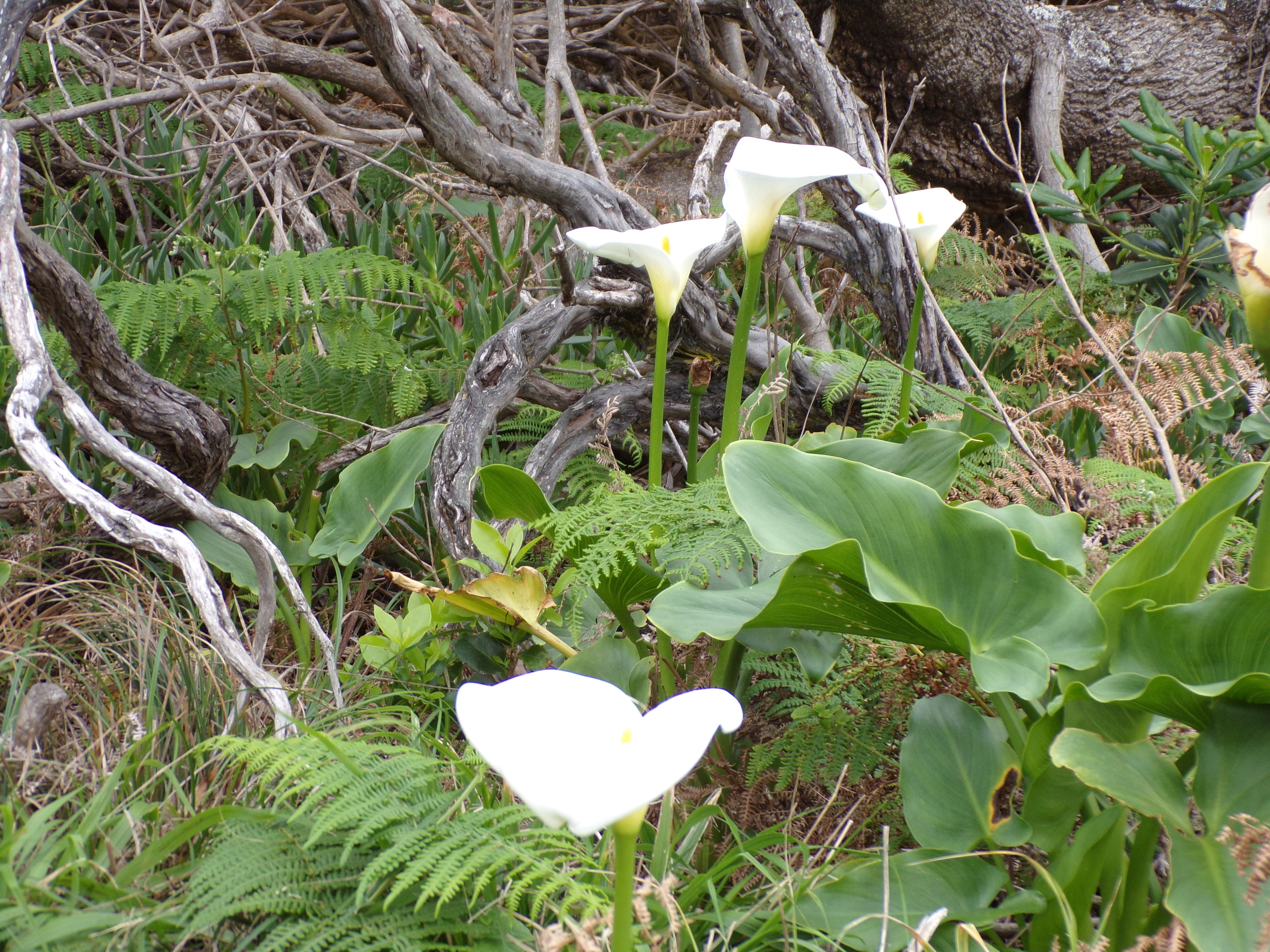
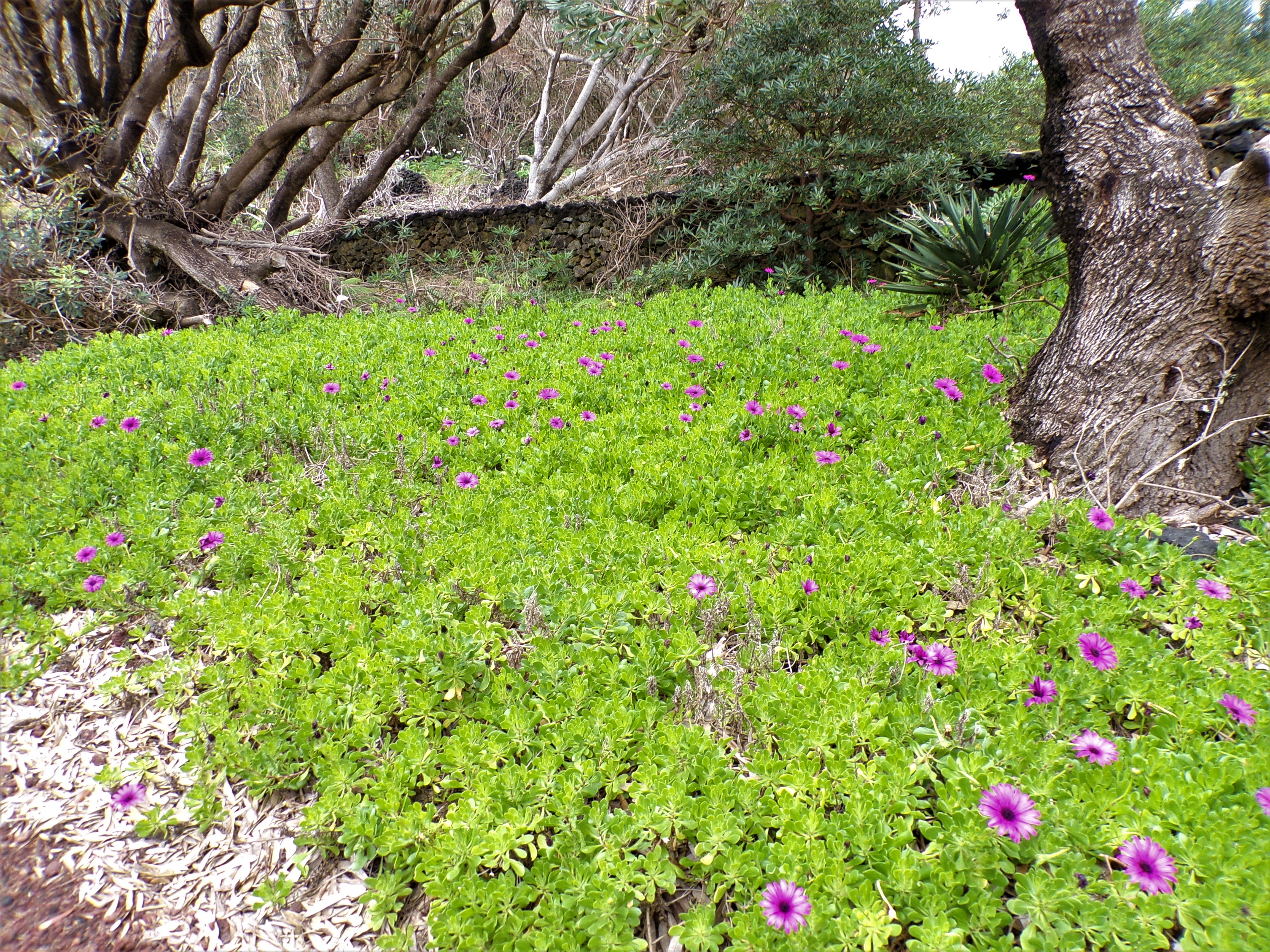
Arriving at Capelinhos, we quickly set off along the ash track leading to the abandoned lighthouse. Once perched precariously atop dangerously high cliffs at the island’s edge, it no longer held that distinction.
At first, we passed through a landscape lush with undergrowth, nature having reclaimed a foothold after being buried under several metres of volcanic ash. Handsome white alliums, which would have cost a fortune back in the UK, grew in abundance. Gradually, this luxuriant zone gave way to increasingly sparse and hardy shrubs as we neared our goal.
We passed the ruins of ash-covered houses; their outbuildings and garden walls are eerily reminiscent of a recent trip to Chernobyl, where towns and cities had been swallowed by the forest. There were pauses to snap photos of the plants and the starkly beautiful desolation. In the distance, we could see the new lighthouse and the land beyond, shaped like a saddle fit for some long-departed giant. Slowly, 30 sets of feet ate up the distance.
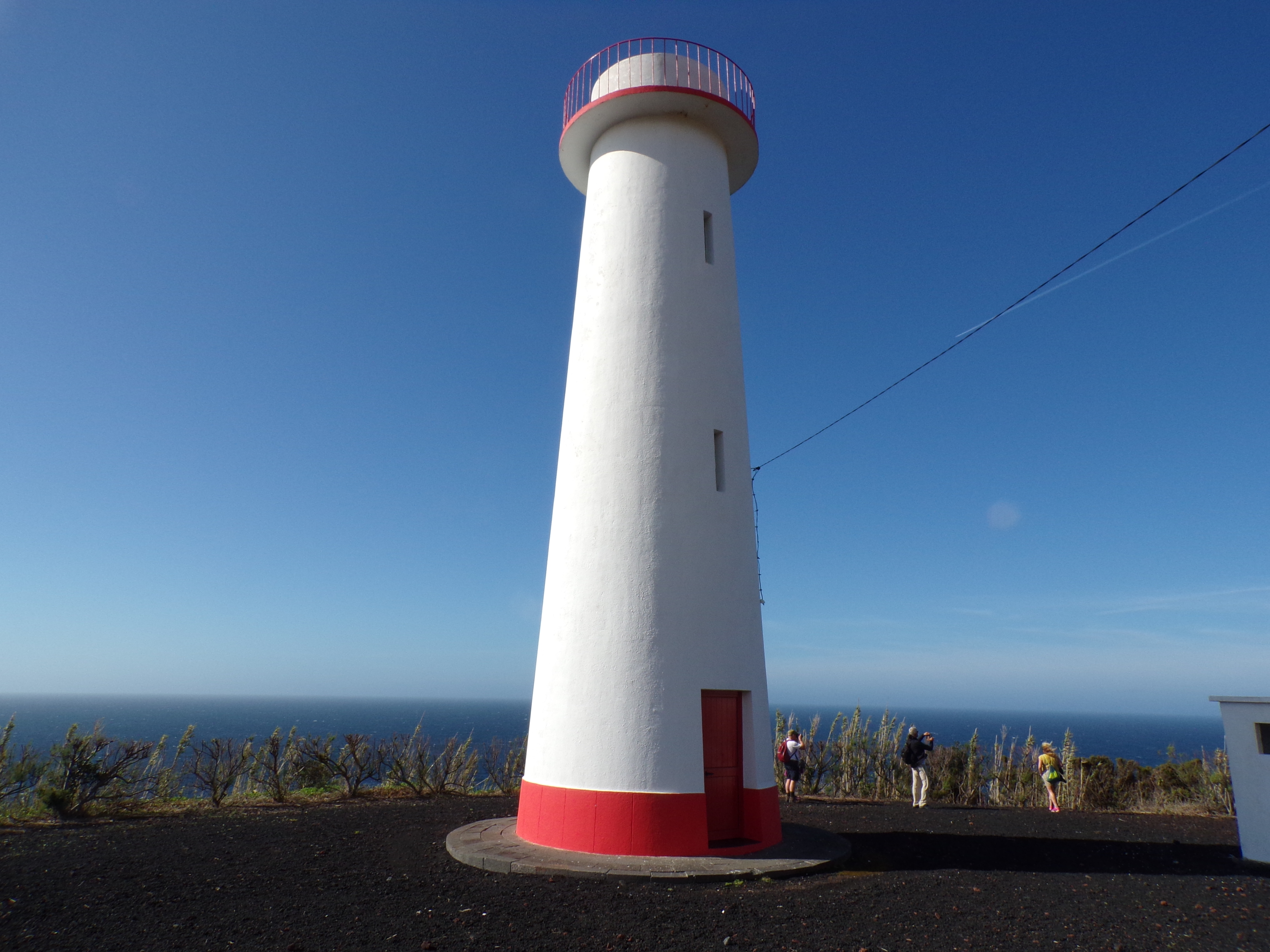
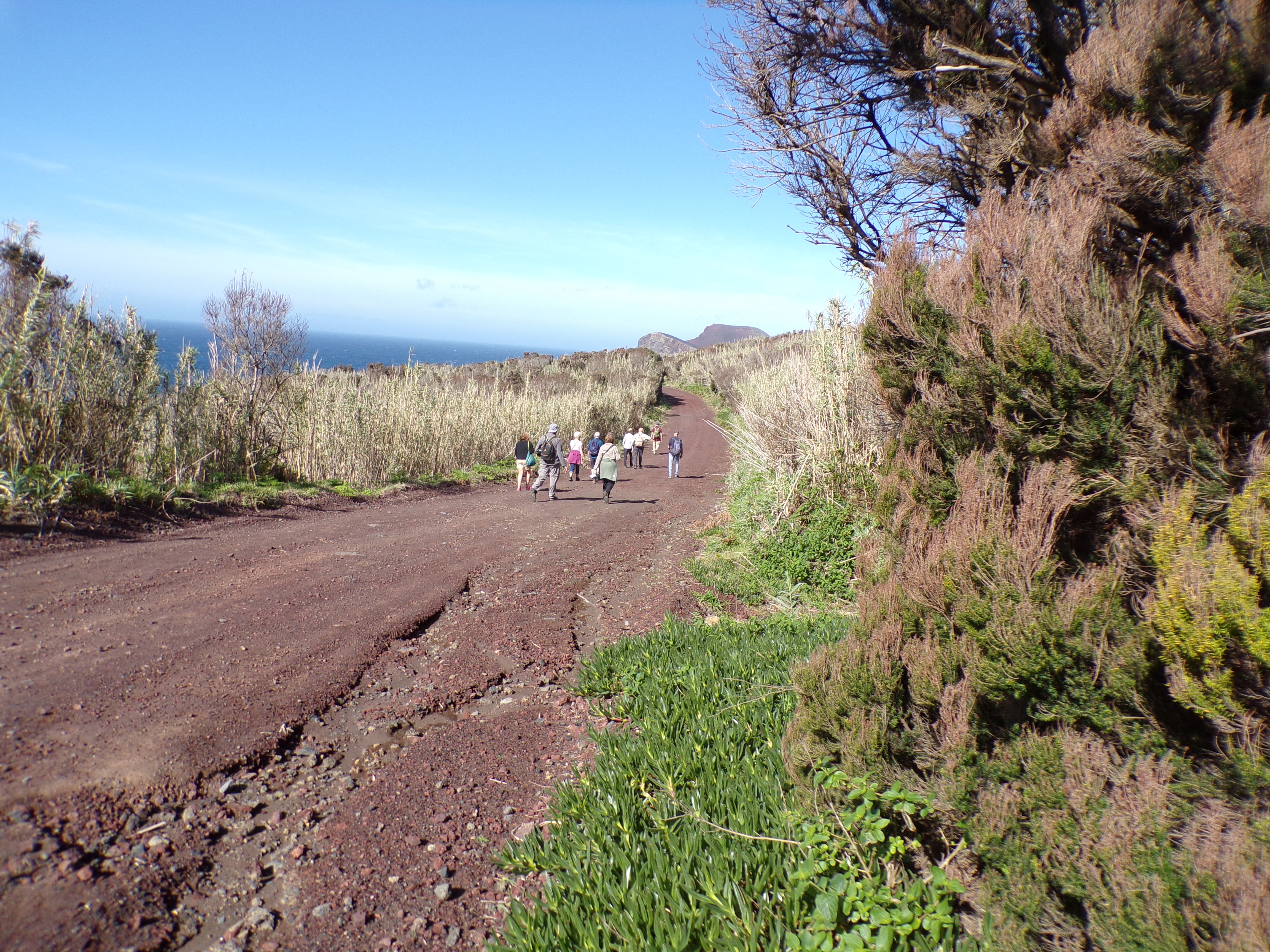
Thankfully, the Magellan’s captain’s forecast that morning, 17 degrees, cloudy, with a possibility of rain, had not materialised, at least not on this side of the island. Instead, we were treated to clear skies and sunshine. Bodies clad in trousers, shirts, fleeces, and light raincoats were beginning to overheat. It wasn’t long before outer layers were shed, tied bandana-style around my now slightly burgeoning girth, while shirt sleeves were rolled up to expose as much heat-radiating forearm as possible.
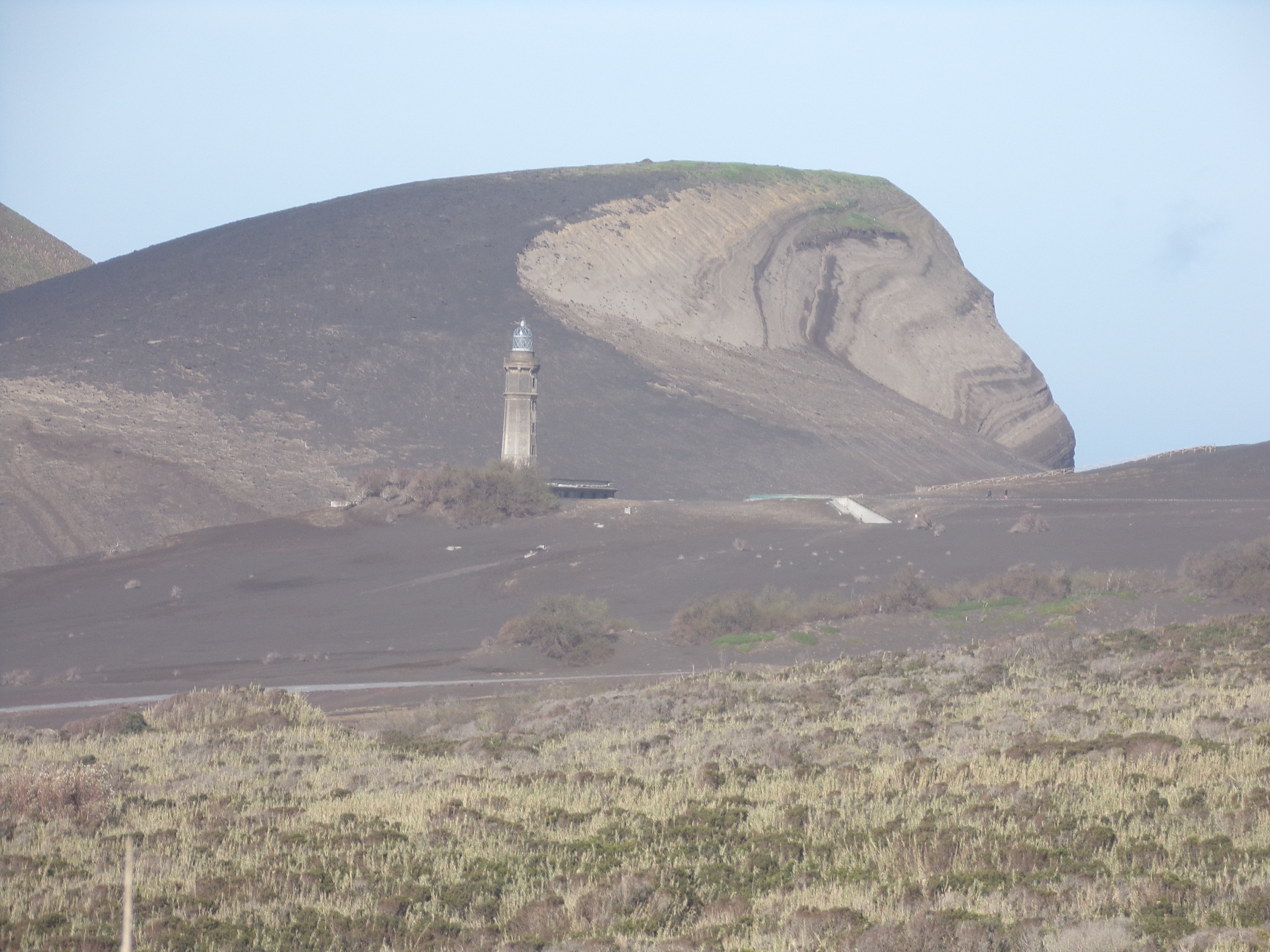
As we neared the lighthouse, the landscape became just as described in the brochure: “A unique landscape said to be reminiscent of that on the moon.” Having never been to the moon, nor even on a previous cruise there, I suppose I’ll have to take the writer’s word for it. The stark contrast between the deep blue of the sea and sky and the drab, dusty, rocky terrain (if you squinted a little) could easily be mistaken for some alien world. With a bit of imagination, the abandoned lighthouse might even pass for a waiting rocket, poised to return 30 weary explorers to their mothership.

Along with the others, I spent some time wandering through this dusty, lunar-like landscape, taking photos of the original 19th-century lighthouse of Ponta dos Capelinhos (now decommissioned) and the surrounding devastation. As I gazed across the scene, I tried to imagine the fear of those early inhabitants as they faced their fate.
For us, creatures from a small island in the North Sea, one that hasn’t seen an active volcano for several million years, the view before us felt more than a little unnatural. Yet, oddly enough, kicking up the greyish-brown dust and leaving footprints the size of Neil Armstrong’s left moon boot quickly began to feel quite normal. We humans are remarkably adaptable. It’s funny how heat, exhaustion, and a touch of flippancy can play tricks on the mind!


The coach arrived to pick us up, and all too soon, we were back on board, indulging once again in our guilt-ridden habit of cramming calories into our mouths while our stomachs were still processing the previous feast from just a few hours earlier.
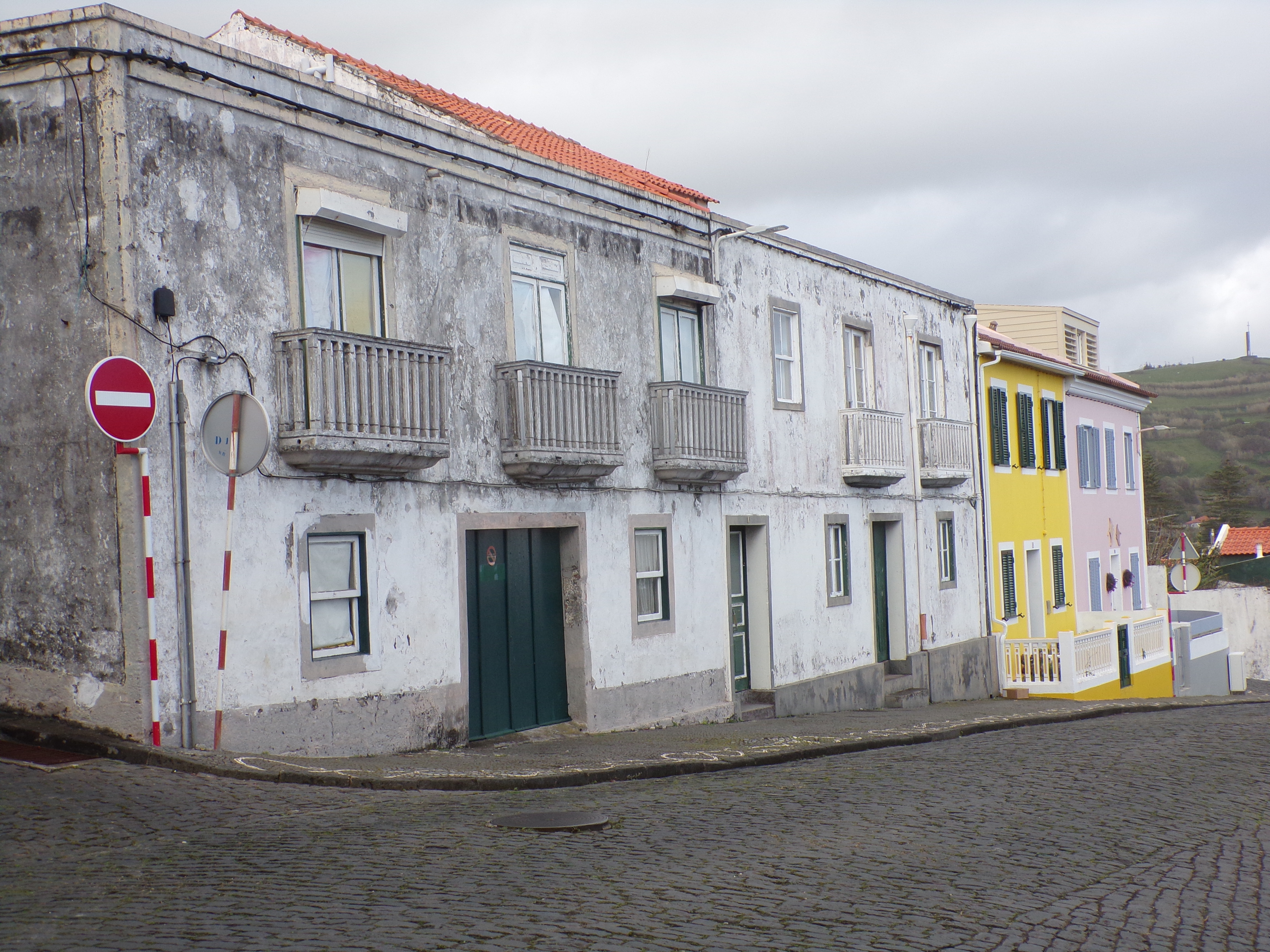
With plenty of excess to burn, we ventured out again, this time to explore Horta and sample its delights. Our first stop was the supermarket, where we stocked up on essential refreshments for those long, hard days at sea. With several bottles rattling in my rucksack, we meandered through the pretty, narrow, cobbled streets, frequently encountering fellow cruisers engaged in the same mission. Those who hadn’t yet replenished their liquid supplies were eager to find out where they could.
Having visited the Azores (São Miguel) on two previous occasions, we found the layout of the streets exactly as we expected. After a brief pilgrimage to one of the island’s striking black-and-white churches, stunning on the outside and dazzling with gilded splendour within, we weren’t surprised to find ourselves at a bar alongside the marina. I settled in with a well-earned refreshment while Sue wandered off to examine the harbour wall paintings.
 These murals, left behind by crews of transatlantic yachts, serve as good luck charms for a safe voyage. Hundreds of them, in varying states of decay, covered the walls and surrounding boulders. I couldn’t help but wonder how many of those who left their marks never made it to their destinations. Nevertheless, I found I could admire them perfectly well from my comfortable perch at the bar; no need to accompany Sue for a closer inspection!
We wrapped up our day in Horta around 5:30 pm and boarded the ship. An hour later, the Magellan slipped her moorings and glided into the darkness towards São Miguel, leaving the twinkling lights of the town to gradually fade into the night.
 Palmer Family
Leave a comment